






Why Tyre Pressure Is Your Car’s Unsung Hero
Your car tyres are essential to how your car drives, but they generally just get on with the job, making them easy to overlook. Unlike warning lights or engine noises, tyre pressure issues can build up quietly over time. Keeping your tyres at the correct pressure might seem like a small detail, but it plays a big role in your car’s safety, handling and running costs.
Many drivers don’t realise that incorrect tyre pressure can lead to poor braking, extra wear and higher fuel use. At Coleman Tyres & Mechanical Wacol, we’ve spent more than 25 years helping South West Brisbane drivers keep their vehicles running safely and efficiently.
This guide will walk you through how to check tyre pressure, how to read tyre pressure correctly, and when it’s best to leave it to the professionals, making the process simple and stress-free.
The ‘Why’: Risks, Dangers and Key Benefits of Correct Tyre Pressure
Your car tyres are the only point of contact between your vehicle and the road. When the air pressure inside them isn’t right, many problems can occur.
Core Benefits of Correct Tyre Pressure
Safety & Handling
Correct tyre pressure improves road grip, steering response and braking distance, while reducing the risk of blowouts.
Fuel Economy
Tyres inflated to the correct level reduce rolling resistance, helping your car use less fuel and saving money at the pump.
Tyre Lifespan
Maintaining the right pressure minimises uneven wear, protecting your tyres and helping them last longer.
Under-Inflation Risks
- Increased heat build-up, a major cause of tyre failure
- Excessive wear on the outer edges of the tyre
- Poor handling and reduced control
- Higher fuel consumption
Over-Inflation Dangers
- Reduced grip and a harsher ride
- Uneven wear in the centre of the tread
- Increased risk of damage from potholes and road debris
“We see many tyres wearing out early simply because they haven’t been kept at the correct pressure. Regular tyre pressure checks are one of the easiest ways to improve safety, fuel efficiency and tyre longevity.”
— Coleman Tyres & Mechanical Wacol Team, servicing South West Brisbane for more than 25 years
Before You Begin: What You Need and When to Check
Before checking your tyre pressure, you’ll need a few basics:
- A reliable tyre pressure gauge (digital gauges are often easier to read)
- Access to an air compressor, such as at a petrol station or local service station
For the most accurate reading, tyres should always be cold. This means the car hasn’t been driven for at least 2-3 hours, or has only travelled a short distance at low speed.
As a general rule, check your tyre pressure once a month, before long trips, and after significant temperature changes.
Step-by-Step: How to Check Tyre Pressure
Step 1: Locate the Correct Pressure
Before you start, check the tyre placard or your car’s manual to find the recommended pressure for your vehicle. Remember, front and back wheels often have different requirements.
Step 2: Prepare the Tyre
Unscrew the valve cap from the tyre valve and place it somewhere safe (they’re small and easy to lose!)
Step 3: Measure the Pressure
Press the tyre pressure gauge firmly onto the tyre valve. You should hear a short hiss of air as the gauge connects – this is normal. Wondering how to read tyre pressure on tyre? The gauge will show the current tyre pressure, which is most accurate when tyres are cold.
Step 4: Add Air (If Needed)
Check whether the reading matches the recommended pressure listed for your front and rear car tyres. If the pressure is too low, use an air compressor to add air in short bursts.
Step 5: Release Air (If Needed)
If the pressure is too high, gently release air by pressing the valve until you reach the correct level.
Step 6: Don’t Forget the Spare
Your spare tyre is often overlooked, but it’s essential in an emergency. Check your spare tyre every few months and before long trips to ensure it’s inflated to the recommended pressure listed in your owner’s manual.
Step 7: Replace the Valve Caps
Once adjusted, screw the valve caps back on securely to protect the valves from dirt and moisture.
Pro Tip: Some vehicles list different pressures for light loads versus heavy loads or highway driving. Choose the pressure that best suits your current driving conditions.
Finding Your Correct PSI: Decoding the Tyre Placard
The recommended tyre pressure for your vehicle depends on your car’s weight, suspension and driving conditions.
You can usually find it:
- The tyre placard inside the driver’s door
- The fuel flap
- The owner’s manual or vehicle manual
This pressure is measured in PSI (pounds per square inch) and may differ for the front and rear tyres. Some vehicles also list a different recommended pressure for long trips or when carrying heavier loads.
Your tyre placard may show different pressures for:
- Front and rear tyres
- Normal driving conditions
- Heavier loads or long-distance highway driving
If your tyre placard is missing, damaged or unclear, the team at Coleman Tyres & Mechanical Wacol can help you identify the correct pressure for your vehicle.
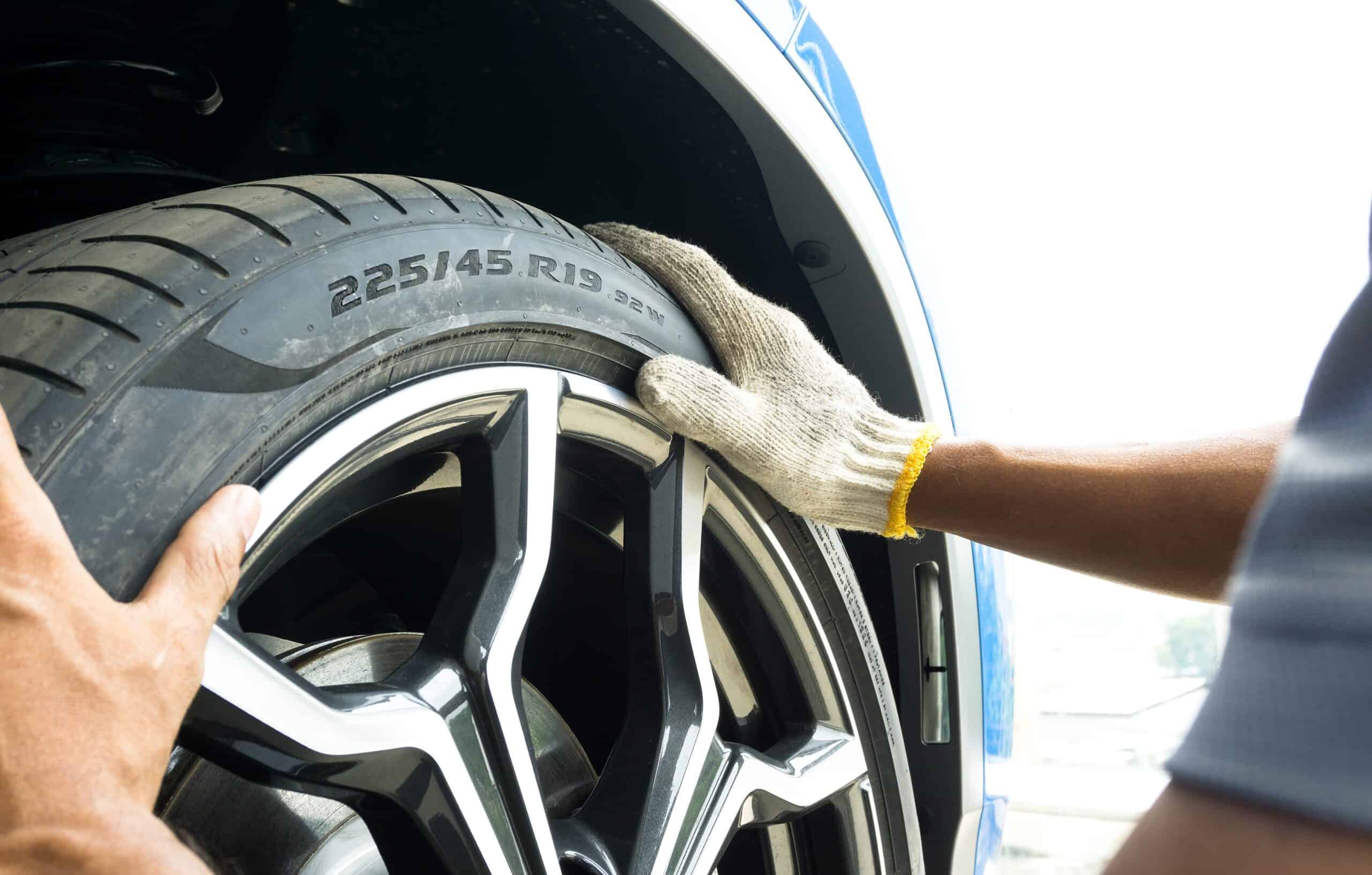
Important: The number printed on the tyre’s sidewall is not the recommended pressure for your car – it’s the maximum pressure the tyre can handle.
Beyond the Gauge: Tyre Maintenance & Safety Checks
While checking pressure, take a moment to visually inspect your tyres for cuts, cracks, bulges or embedded objects like nails or glass. You should also check tread depth using tread wear indicators or using a 20-cent coin as a benchmark.
Low tyre pressure and uneven wear can sometimes indicate the need for additional services, such as a wheel alignment, which is something the team at Coleman Tyres & Mechanical Wacol can assess during an inspection.
Need a Hand? Your Local Experts in Wacol
Knowing how to check tyre pressure is an essential skill for every driver. It takes only a few minutes, costs very little, and can prevent bigger issues down the track – helping you stay safe and save money.
If you’d rather leave it to the experts, or if your tyres keep losing air, the team at Coleman Tyres & Mechanical Wacol are always happy to help. Along with tyre pressure checks, we also offer wheel alignments, logbook servicing, brake repairs and general mechanical work, making us a one-stop shop for your car’s health.
Thank you for continuing to support our local Wacol business.
Frequently Asked Questions
You should check your tyre pressure at least once a month and before any long trips. Tyres naturally lose air over time, even without a visible puncture.
Yes, many petrol stations and service stations have an air compressor you can use to check tyre pressure and add air. For the most accurate reading, try to check your tyres when they are cold or drive only a short distance before checking.
Not always. Some vehicles require different pressures for the front and rear tyres, especially when carrying passengers or heavy loads. Always check the tyre placard or owner’s manual to confirm the correct pressure.
A digital gauge can be easier to read and often provides a more accurate reading, but a manual tyre pressure gauge is still effective.
If your tyres keep losing air, show uneven wear, or you’re unsure about the correct pressure, a professional tyre pressure check is recommended. A technician can also inspect for slow leaks or damage that may not be obvious.